Pink Gradient Paper Patterns
In the world of digital design, few elements are as versatile and emotionally resonant as a well-executed gradient. When that gradient leans into the spectrum of pinks, it opens up a vast array of creative possibilities, from soft and romantic to bold and modern. Pink Gradient Paper Patterns offer a seamless blend of color theory and practical utility, providing designers, scrapbookers, and digital artists with high-quality textures that can elevate any project. Whether you are crafting a physical junk journal or designing a sublimation print for a t-shirt, having access to professional-grade digital assets is crucial for maintaining consistency and quality.
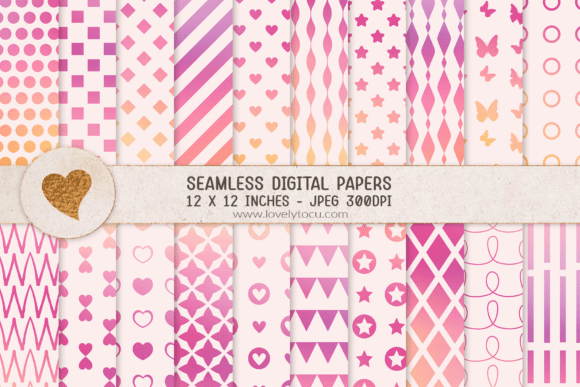
This collection is not just about pretty colors; it is about functional beauty. The set includes 20 distinct seamless papers, each rendered in JPG format at a resolution of 300dpi and sized at 12×12 inches. These specifications are industry standards for both print-on-demand services and high-resolution digital displays. By providing these specific technical details upfront, we ensure that users know exactly what they are getting: crisp, scalable, and ready-to-use backgrounds that require no additional editing before implementation.
The Power of Seamless Digital Backgrounds
Seamless patterns are the backbone of efficient design work. Unlike standard images that have hard edges, seamless tiles repeat infinitely without visible breaks. This feature is particularly valuable when creating backgrounds for websites, wrapping paper designs, or fabric prints where continuity is key. With Pink Gradient Paper Patterns, you gain the ability to fill large areas with texture and depth without worrying about awkward seams or repetitive artifacts that distract the viewer.
The 12×12 inch size is a legacy standard in the scrapbooking community but has proven its worth across various disciplines. It is a manageable file size for easy handling while offering enough detail to be printed clearly on standard photo paper or cardstock. At 300dpi, the pixel density ensures that even when zoomed in or printed at larger scales, the gradients remain smooth and free of banding or pixelation. This level of quality is essential for professionals who need their output to look polished and intentional.
Creative Applications Across Industries
The versatility of pink gradient backgrounds allows them to serve multiple audiences and purposes. Here is how different creators can leverage these assets:
Scrapbooking and Junk Journal Design
For hobbyists and crafters, these papers provide an instant aesthetic upgrade. Instead of spending hours hand-painting watercolor backgrounds or searching for obscure physical paper packs, designers can download these seamless files and integrate them directly into their digital layouts. They work beautifully as base layers for digital scrapbooking pages, adding a soft, dreamy atmosphere to memories. In junk journaling, the gradients can mimic the look of aged parchment or vibrant acrylic pours, depending on the specific shade used. You can layer text overlays, stickers, and photos atop these backgrounds to create complex, textured compositions quickly.
Sublimation and Print-on-Demand
Entrepreneurs selling on platforms like Etsy or Redbubble often rely on sublimation printing for products such as mugs, tumblers, and apparel. Pink gradients are timeless themes that appeal to a broad demographic, from baby showers to bridal showers, and even general fashion trends. Because the files are seamless, they can be tiled to cover curved surfaces evenly. The high resolution ensures that the transition between light blush and deep magenta remains smooth, avoiding the "posterization" effect that ruins low-quality prints. This makes them ideal for creating cohesive collections of merchandise.
Digital Marketing and Blogging
Marketers and bloggers understand the importance of visual hierarchy and brand identity. A consistent color palette helps build recognition. Using Pink Gradient Paper Patterns as header images, social media post backgrounds, or email newsletter dividers can add a touch of professionalism and warmth. The subtle variations among the 20 included papers allow for A/B testing different tones to see which resonates best with your audience. For instance, a lighter pastel gradient might work better for a wellness blog, while a deeper, more saturated pink could suit a fashion or beauty brand.
How to Adapt Gradients for Different Goals
While the files are provided as-is, their true potential is unlocked when you adapt them to your specific context. Here are some practical strategies for maximizing the utility of these patterns:
- Layering for Depth: Don't use the gradient alone. Overlay it with other elements like lace textures, floral illustrations, or geometric shapes. This adds tactile interest and prevents the background from feeling flat. For example, placing a white lace overlay on a dark pink gradient creates a striking contrast that draws the eye to the center of the design.
- Color Harmony: Pair the pink gradients with complementary colors to enhance their impact. Soft greens, navy blues, or metallic golds can balance the warmth of the pink. When designing party decor, consider matching the gradient tone to the event's theme—pastel pinks for spring celebrations, bold fuchsias for modern galas.
- Text Legibility: One common mistake is placing white text over light gradients. To maintain readability, always check the contrast ratio. If necessary, add a semi-transparent dark box behind text or choose a darker gradient variant. This ensures your message is clear and accessible to all viewers.
Maintaining Consistency and Originality
As you incorporate these patterns into your workflow, keeping your projects organized is vital. Since there are 20 distinct papers, naming conventions matter. Label your files clearly (e.g., "Pink_Gradient_01_Blush.jpg") so you can find them easily during future projects. Consistency in file management saves time and reduces frustration.
Furthermore, while these patterns are ready to use, adding your own unique touch is what separates amateur designs from professional ones. Experiment with opacity levels, blending modes, and filters in your design software. You might desaturate one gradient slightly to make it more neutral, or increase the saturation to make it pop. These small adjustments allow you to tailor the asset to fit your specific brand voice or artistic style, ensuring that your work remains original even when using shared resources.
Practical Tips for Implementation
To get the most out of your Pink Gradient Paper Patterns, consider the following technical tips:
- Check Your Color Profile: Ensure your design software is set to the correct color mode (RGB for digital, CMYK for print) to avoid unexpected color shifts when exporting or printing.
- Use High-Quality Export Settings: When saving your final designs, choose formats that preserve quality, such as PNG for web graphics with transparency needs, or high-quality JPEGs for broader compatibility.
- Test Before Finalizing: Always print a test page if you are using these for physical crafts. Screen colors can differ significantly from printed results, especially with vibrant gradients. A quick test run helps you adjust brightness or contrast before committing to a full production run.
Ultimately, the value of Pink Gradient Paper Patterns lies in their ability to simplify the creative process while delivering high-end results. Whether you are a seasoned designer looking to speed up your workflow or a hobbyist eager to start your first digital scrapbook, these assets provide a solid foundation for creativity. By understanding their technical strengths and exploring diverse applications, you can transform simple digital files into compelling visual stories that engage and inspire your audience.