The Art of Vintage Ornamental Digital Patterns: Elevating Craft Projects with Timeless Design
In the rapidly evolving landscape of digital design and handmade crafts, there is a persistent demand for aesthetics that bridge the gap between historical elegance and modern convenience. Vintage ornamental digital patterns have emerged as a cornerstone for creators seeking to infuse their work with sophistication, depth, and a sense of narrative history. Unlike generic geometric designs or contemporary minimalist motifs, these patterns draw from centuries of artistic tradition—incorporating filigree, damask, baroque flourishes, and intricate botanical elements—to create visuals that feel both luxurious and grounded.
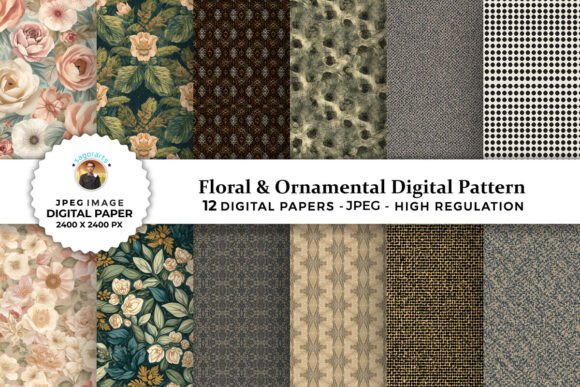
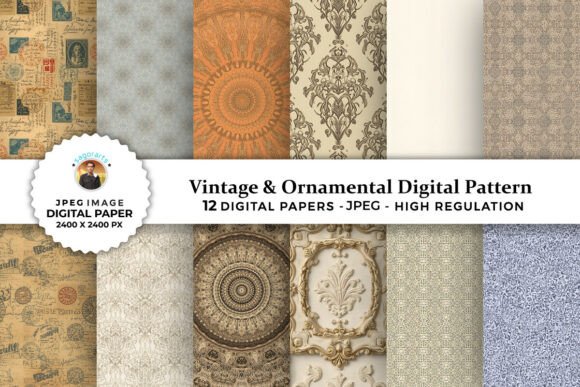
For professionals in graphic design, hobbyist scrapbookers, educators teaching art history through practical application, and business owners looking to brand their products with unique packaging, the utility of high-quality vintage assets cannot be overstated. The specific collection known as 12 Vintage Ornamental Digital Patterns Perfect for Gift wrapping, Greeting Cards, Invitations, Tumbler Wraps, Backgrounds, Scrapbook and many other craft projects represents a curated selection designed to meet these diverse needs. This article explores the characteristics, applications, and strategic advantages of integrating such digital resources into creative workflows.
Defining the Aesthetic: What Makes Vintage Ornamental Patterns Unique?
To understand the value of vintage ornamental digital patterns, one must first appreciate the visual language they employ. These designs are characterized by their complexity and symmetry. They often feature repeating motifs that create a seamless texture, allowing them to be tiled infinitely without visible breaks—a critical technical feature for digital printing on large surfaces like gift wrap or fabric wraps.
The aesthetic appeal lies in the balance between ornamentation and negative space. High-quality vintage patterns do not overwhelm the viewer; instead, they provide a rich backdrop that enhances the primary subject matter, whether that is text on an invitation or a photograph in a scrapbook. The color palettes typically lean towards muted earth tones, deep jewel colors, or classic black-and-white contrasts, evoking a sense of nostalgia and timelessness. This versatility ensures that the patterns can adapt to various themes, from Victorian romance to rustic farmhouse chic.
Technical Specifications and File Integrity
When sourcing digital assets, the technical specifications are just as important as the visual design. The inclusion of files within a single, organized zip file streamlines the user experience, reducing the friction associated with downloading multiple individual assets. For instance, a package containing 12 Digital Papers within 1 zip file offers immediate accessibility, allowing creators to experiment with different patterns quickly.
Resolution is paramount in digital printing. The standard size of 2400 x 2400 pixels provides a square canvas that is sufficiently detailed for most print-on-demand services and home printing technologies. While some professional industrial printers may require larger dimensions, this resolution serves as an excellent baseline for:
- High-Resolution JPEG Format: Ensuring broad compatibility across various software platforms, from Adobe Photoshop and Illustrator to Canva and Microsoft Publisher.
- Scalability Considerations: While JPEGs are compressed, starting with a high pixel count allows for reasonable downscaling without significant loss of quality, though upscaling beyond the original dimensions should be avoided to prevent pixelation.
- Color Accuracy: Properly encoded JPEGs maintain color fidelity, which is essential when matching pattern hues to physical materials like cardstock or ribbon.
Practical Applications Across Industries
The versatility of vintage ornamental digital patterns extends far beyond simple decoration. Their application spans multiple sectors, each leveraging the aesthetic for distinct commercial or personal benefits.
Event Stationery and Formal Invitations
Weddings, galas, and formal dinners often rely on stationery to set the tone before the event even begins. Using these patterns for invitations adds a layer of perceived value and exclusivity. The intricate details of the ornaments complement serif fonts and calligraphy beautifully, creating a cohesive design system. Furthermore, the repetitive nature of the pattern allows for consistent branding across all event materials, including place cards, menus, and thank-you notes.
Packaging and Product Presentation
For small business owners, unboxing experiences are a crucial marketing tool. Gift wrapping featuring vintage ornamental designs transforms a standard product delivery into a premium experience. Whether used for jewelry boxes, cosmetic packages, or artisanal food items, these patterns convey care and attention to detail. Additionally, the trend of using tumbler wraps has surged in popularity. These patterns can be printed on adhesive vinyl or heat-transfer material, allowing users to customize stainless steel tumblers with elegant, timeless designs that stand out in a market saturated with neon and abstract graphics.
Digital Content Creation and Social Media
Educators and content creators frequently utilize these backgrounds for digital presentations, blog headers, and social media posts. A vintage ornamental background can make a tutorial video thumbnail more eye-catching or provide a sophisticated backdrop for a Pinterest infographic. The ability to overlay text on these patterns requires careful contrast management, but when done correctly, it results in visually striking content that encourages engagement.
Scrapbooking and Physical Crafts
In the realm of physical crafts, these digital papers serve as the foundation for mixed-media projects. Hobbyists can print the 12 Vintage Ornamental Digital Patterns on heavy-weight cardstock or watercolor paper to create custom journal pages, embellishments, and layered collage elements. The durability of the printed image allows for cutting, folding, and gluing without the risk of the ink smudging, provided archival-quality paper and inks are used.
Strategic Advantages for Creators and Businesses
Integrating vintage ornamental digital patterns into a workflow offers several strategic advantages over creating original artwork from scratch.
Time Efficiency
Designing seamless, high-resolution patterns from scratch requires significant skill in vector graphics and texture creation. By utilizing pre-made assets, creators can save hours of labor, redirecting their energy toward layout, typography, and client communication. This efficiency is particularly valuable for businesses operating under tight deadlines or individuals managing multiple side hustles.
Consistency and Professionalism
Using a cohesive set of patterns ensures visual consistency across a brand’s output. When a business owner uses the same ornamental style across their website, email newsletters, and physical packaging, it reinforces brand identity. The professional finish of high-resolution JPEG files eliminates the amateurish look associated with low-quality clip art, elevating the overall perception of the creator’s work.
Cost-Effectiveness
While there is an initial cost to acquire high-quality digital assets, the long-term savings are substantial. Licensing a pack of 12 patterns allows for unlimited use in personal and often commercial projects (depending on the specific license terms), providing a high return on investment compared to hiring a freelance designer for custom work.
Implementation Best Practices
To maximize the potential of these digital assets, creators should adhere to certain best practices during implementation.
- Layering Techniques: Avoid placing busy text directly over the densest parts of the ornament. Use semi-transparent shapes or solid-colored overlays to create breathing room for typography.
- Color Adaptation: Utilize editing software to adjust the hue and saturation of the patterns to match specific seasonal trends or brand color palettes. A sepia-toned version might suit a retro theme, while a monochrome conversion can lend a modern, minimalist edge to a classic pattern.
- Print Testing: Always perform a test print at 100% scale to check for moiré patterns (interference patterns caused by the interaction of the screen dots and printer dots) and to verify color accuracy before committing to a full production run.
- File Organization: Keep the downloaded zip file organized. Rename the individual JPEG files upon extraction to reflect their dominant color or motif (e.g., "Gold_Damask_01.jpg") to streamline future searches.
Conclusion
The resurgence of interest in vintage aesthetics highlights a consumer desire for authenticity and craftsmanship in a digital age. Vintage ornamental digital patterns offer a tangible connection to this desire, providing creators with tools that are both beautiful and functional. From enhancing the tactile experience of gift wrapping to adding depth to digital invitations, these 12 carefully crafted patterns serve as a versatile resource for anyone looking to elevate their creative output. By understanding the technical specifications and strategic applications outlined above, professionals and hobbyists alike can leverage these assets to produce work that is not only visually stunning but also commercially viable and personally rewarding.